K-12 Students and Younger
Almost seems like a riddle

Hmmm!
The U.S. public K–12 system, with its remarkable teachers, is arguably the best in the world . . .
. . . and yet, by the simplified measure used throughout this explainer site, roughly 50% of graduating K-12 students do not reach NAEP Proficient in reading or mathematics. (The full NAEP picture is even more nuanced—and arguably less encouraging.)
Despite the above contradiction, the U.S. K–12 system may be the envy of the world.
Do people around the globe view U.S. education—including its foundational public K–12 system—as a windfall opportunity?
Why do so many—passports in hand—seek educational opportunities for their children in the United States?
As a thought experiment, suppose leaders from the other industrialized nations were anonymously polled each year and asked to rank the world’s strongest public K–12 education systems. Would they rank the United States among the very best—and if so, why?
One possible answer may be found in the Best in the World link.


Every young person in the U.S. should have this opportunity. Embrace it or shun it, it’s a “windfall.”
And yet, 50% of all graduating U.S. public K–12 students fail to reach minimum NAEP proficiency in reading, math, or any other subject tested.
Within that 50% lies a trove of untapped student talent and potential—all of it valuable, and much of it potentially capable of reaching the highest NAEP performance categories.
Consider the implications of significantly expanding the nation’s educated, trainable workforce—through an innovation with the potential to improve hard-number results for critical metrics ranging from NAEP assessments to the national capitalization rate (cap rate)—while placing no new pedagogical demands, meetings, training, or paperwork on K–12 teachers.
Instead, let teachers teach.
The HSe4Metrics platform. Free access.
The HSe4Metrics platform will not generate revenue from families, students, or community members. Instead, a national sponsor is needed to underwrite the platform’s ongoing operating costs.
That sponsor could be a federal agency (click to see Federal Agencies) or a Fortune 500 company such as Procter & Gamble. To help secure such sponsorship, members of the public are encouraged to join the search—for example, by contacting a federal agency or a political leader.
If no federal agency steps forward, a professional presentation team—potentially including Washington lobbyists and a law firm—may be temporarily retained. The cost would be supported through a modest $5 fundraising campaign. Once retained, the presentation team would approach federal agencies.

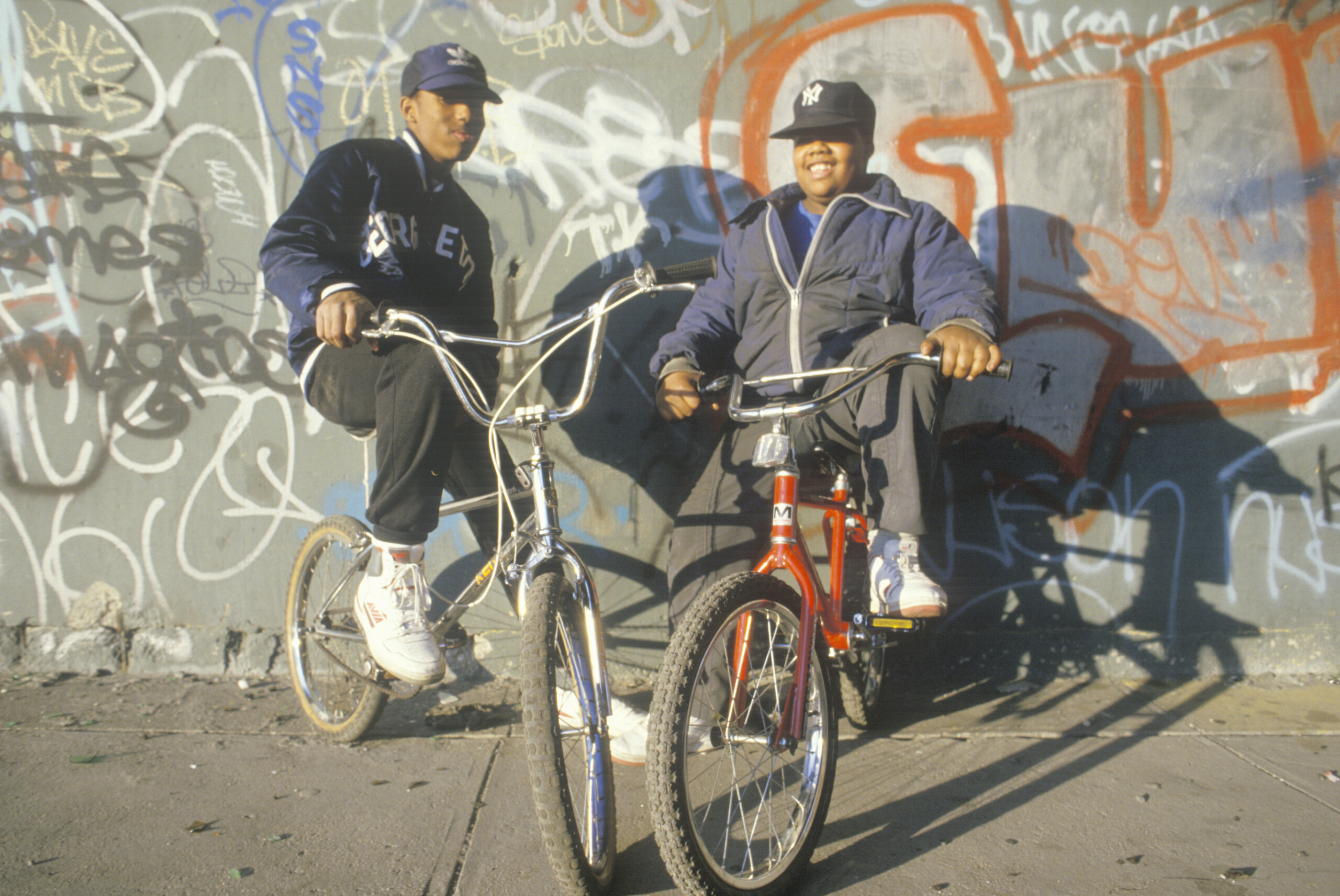

In sum, public K–12 education in the U.S. is a world-class windfall—and it’s free!
…but flip a coin:
Today, the odds that a K–12 student will reach even minimum NAEP proficiency in reading and math are just 50–50.
As if a coin were flipped at birth, many newborns get lucky and land on the Heads side of the coin. Only years later do the consequences become evident, as they demonstrate the ability to read and perform mathematics and reach at least the minimum NAEP proficiency level.
- Even then, pay close attention to the word minimum—and its consequences. Minimum proficiency is arguably a low bar and may provide only limited advantage when competing for employment or attempting to succeed during the first year of college, trade school, or other postsecondary education.
- The HSe4Metrics platform would strive to move the vast majority of K–12 students not merely onto the figurative Heads side of the coin, but toward the highest levels of NAEP performance.
- The tragedy is that many K–12 students who reach only this minimum level may possess the potential to achieve far more—including reaching the top deciles of NAEP performance—but never realize that potential.
More tragic still: today, millions of K–12 students remain on the Tails side of the coin.
Students on this side have not demonstrated the level of reading and mathematics performance needed to provide a strong foundation for future education, employment, and everyday life.
The consequences may include diminished educational opportunities, reduced career options, difficulty helping their own children academically, and long-term socioeconomic disadvantage affecting both themselves and future generations.
At the upper end of the Tails side of the coin lies NAEP Basic. Millions of students at this level may be able to perform simple everyday tasks—such as reading the label on a can of soup. And yet, many of those students may have had the potential to develop the skills needed to reach the NAEP performance levels represented on the Heads side of the coin—a central focus of the HSe4Metrics platform, which begins before K–12 (see the Yes, Even Toddlers link) and continues throughout the K–12 years.
NOW FOR THE ANSWER TO THE "HMMM!" RIDDLE...
Key code 173.5