
K-12 and Toddlers Too
Access to the HSe4Metrics online platform is essential
ACCESS MUST BE FREE.
This video comes recommended by parents and HSe4Metrics volunteers.
One minute, 50 seconds followed by 18 seconds directed to parents
Parents, guardians, HSe4Metrics, and the NAEP landscape
- The bottom 50%: Currently, 50% of U.S. K–12 students fall to the bottom of the NAEP scale. The HSe4Metrics platform is a societal innovation that could redirect this large segment toward higher NAEP achievement levels—unlocking a surge in the national capitalization rate.
- The top 10%: NAEP’s top 10% represents exceptional potential. However, without access to the HSe4Metrics platform, even these high-achieving students risk missing out on much of their K–12 (and lifetime) potential.
- The “in-between” group: currently 40%: Between the bottom and top lies a group that often feels overlooked. With access to the HSe4Metrics innovation from early childhood through high school, these students have the potential to perform at significantly higher levels—rising to compete with the top 10%.
A powerful new source of human capital in the U.S.: unlocking the education and wealth divide

Today’s educational divide mirrors the NAEP split: 50% of students meet proficiency standards in reading, writing, and math; the other 50% do not. This brutal divide begins early—many of the nation’s toddlers (currently half) are on track to graduate from K–12 unable to read, write, or do math.
Both state and federal bureaucratic programs have attempted to change this. None have succeeded.
However, a federal government entity—such as the U.S. Department of Education or the U.S. Department of Labor—could embrace the HSe4Metrics platform, either by funding it or partnering with it, and make the platform available across the entire K–12 system nationwide.
To test the platform, it must be implemented.
A human capital gold rush could be unleashed in the United States by empowering the nation’s bottom 50% of K–12 students to join their peers in the top 50%—a potential quality-of-life and GDP bonanza.
The HSe4Metrics innovation should be introduced in the earliest stages of a child's development.
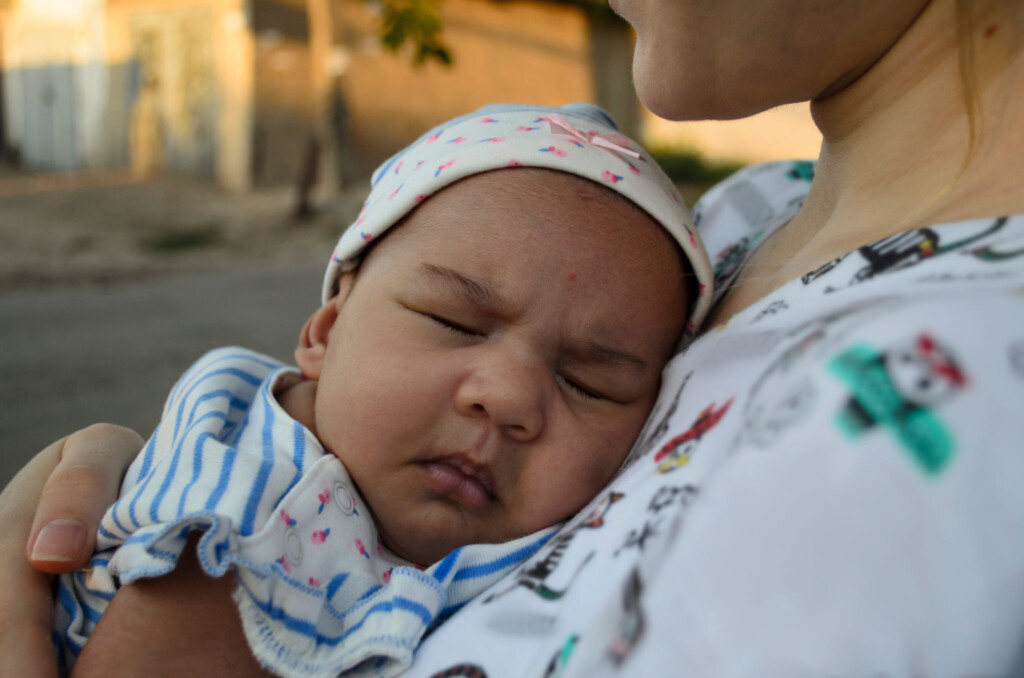
Can the HSe4Metrics platform redistribute NAEP zones, currently 50%, 10%, and 40%? As with any innovation, to determine the outcome, implement and test it.
In partnership with parents, HSe4Metrics aims to ignite the minds of the youngest learners. Foundational learning begins early—as seen in an infant’s natural absorption of their native language. That’s why HSe4Metrics must be introduced from the very beginning of a child’s life. Years later, this early advantage may influence such fundamentals as NAEP results.
As noted in the video above, there is a once-in-a-lifetime period of brain development that occurs during infancy and the years before kindergarten. “Active brain change during this time is profound, yet science is still seeking answers.” For example: “How do external stimuli affect characteristics such as intellectual energy capacity?” and “Does the type of stimuli matter?”
Even if housed within a federal agency, HSe4Metrics must remain fully independent from the public K–12 system to most effectively serve K–12 education.

The HSe4Metrics platform is not a school and does not compete with educational institutions.
The U.S. already offers a wide range of public and private school options, including the U.S. public K-12 education system, which is arguably the “Best K-12 System in the World.”
Independently, the HSe4Metrics platform aims to leverage hard-number K-12 outcomes nationally, regardless of the type of schools students attend.
The HSe4Metrics platform, with widespread management roles by K-12 parents, will extend to the youngest of children as well, years before pre-K-12.