
Who Are the “Bottom 50%” NAEP Students?
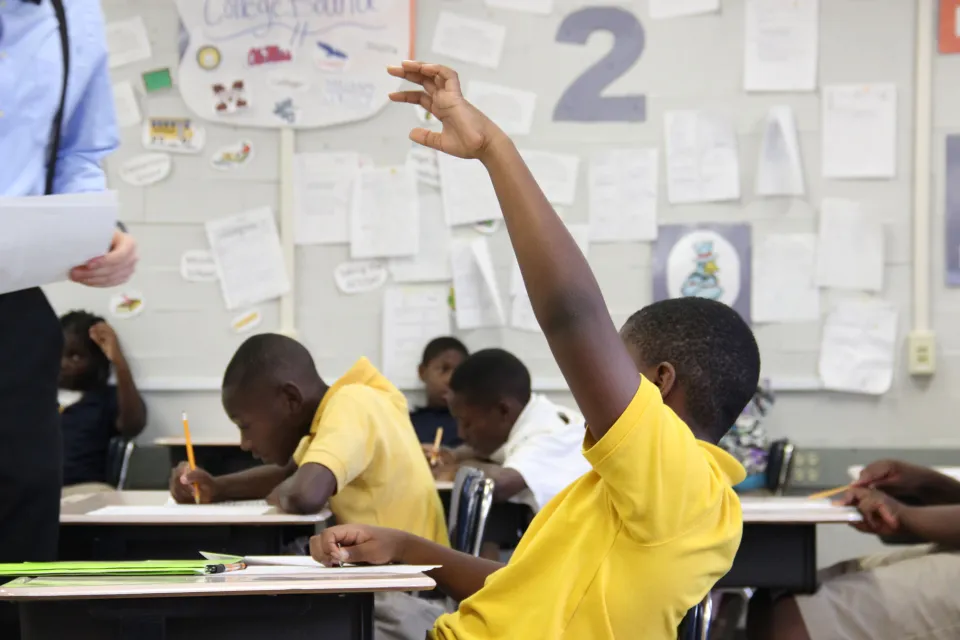
Every year, the National Assessment of Educational Progress (NAEP)—America’s Nation’s Report Card—reveals a stark divide in K-12 education. Roughly half of U.S. students score at or below the NAEP Basic level in reading and math, meaning they lack the essential skills expected for their grade.
HSe4Metrics calls this group the “bottom NAEP 50%”—not as a label of defeat, but as a clear signal of systemic failure. These are the children who fall into Below Basic (no mastery of fundamentals) or the lower end of Basic (limited application of skills). The question every parent, teacher, and policymaker must ask: Are these millions of students brimming with hidden talent waiting to be unlocked, or are they slipping toward becoming a lost generation?
The Hard Data: How Big Is the Bottom Half?
Recent NAEP results paint a worsening picture for America’s lowest performers:
| Grade & Subject | % Below Basic (2024) | % Basic or Below (Total Bottom 50%) | Change Since 2019 |
| 4th Grade Reading | 30%+ | ~50% | ↓ (more students falling) |
| 8th Grade Reading | 27% | ~52% | ↓ Historic low |
| 4th Grade Math | 23% | ~48% | Stable but no gains |
| 12th Grade Math | 38% | ~55% | ↓ New lows |
Key trend: Since 2019, fewer students reach Proficient or Advanced, while more slide into Below Basic. The bottom half is not shrinking—it’s deepening.
HSe4Metrics emphasizes this is not a COVID-only problem. Pre-pandemic data already showed ~49% of students below expectations. The pandemic made it worse (~52%), but the core issue persists.
Why the Bottom 50% Keep Falling Further Behind
NAEP data reveals a brutal reality: America’s lowest-performing students are losing ground faster than their peers are gaining it.
Widening gaps show up everywhere:
- Lowest 10th percentile (worst performers) lost 12+ points in reading since 2019, while top performers held steady.
- 40% of 4th graders now score in NAEP’s lowest reading category—up from prior years.
- Post-COVID, low-income and minority students saw double the declines of higher-income peers.
Root causes stack against them:
- Chronic absenteeism: Missing 20+ school days per year correlates with Below Basic scores.
- Weak early literacy: 3rd-grade reading predicts 80% of high school outcomes, but early skills are crumbling.
- Uneven instruction: Too many schools lack evidence-based reading/math programs.
From the HSe4Metrics perspective, this is “forever failure by the states”: collective neglect that leaves half the nation’s children behind, year after year.
Hidden Talent: What NAEP Doesn’t Measure
NAEP tests current skills, not raw intelligence or potential. Inside the bottom 50% sit millions of children who could excel—if given the right structure.
Proof that talent exists:
- Science of reading programs lift 80%+ of struggling readers to grade level within 2 years.
- High-dosage tutoring moves Below Basic math students to Basic/Proficient in one semester.
- Lower-income students in high-expectation charter schools match or beat national averages.
HSe4Metrics argues these children contain untapped workforce potential. The bottom NAEP 50% already exists—they just need metrics-driven tools from toddlerhood through graduation to convert hidden talent into measurable success.
Internal link suggestion: “metrics-driven tools” → [/hse4metrics-platform/]
Lost Generation Risk: What Happens If We Do Nothing
When half of K-12 students never reach NAEP Basic, the consequences compound into adulthood:
- Graduation: Below Basic 8th graders have <50% chance of graduating on time.
- Jobs: Basic reading/math skills predict $10K+ higher annual wages. Below Basic? Chronic underemployment.
- Economy: A 1-point NAEP gain = $1 trillion+ GDP boost over careers. Losing half the talent pool shrinks America’s future.
Strategic threat: HSe4Metrics warns this mirrors U.S. losses in manufacturing, pharma, rare earths—outsourcing its own potential to “Go culture” rivals who educate everyone.
Without intervention, the bottom 50% risks becoming a lost generation: capable but underutilized, widening inequality while weakening national strength.
How HSe4Metrics Targets the Bottom 50%
HSe4Metrics doesn’t blame teachers or children. It attacks the problem with a free platform designed specifically for the NAEP bottom half:
- Toddler start: Parents learn “cap rate” thinking—long-term value of early skills before K-12 traps form.
- NAEP-aligned metrics: Real-time feedback tied to Nation’s Report Card expectations, not vague “progress.”
- Family continuity: Tools stick from tantrums to graduation, helping parents/teachers spot and fix gaps early.
Free access for students, families, daycare providers ensures no child is excluded. A federal sponsor (restructured DOE, DOL) or corporate partner (P&G-style) covers costs—billions in cloud/operations—for national impact.
What Schools and Policymakers Must Do Differently
Data shows what works for the bottom 50%. Leaders must prioritize:
- Early literacy overhaul: Adopt science of reading curricula statewide—no exceptions.
- Targeted interventions: High-dosage tutoring for Below Basic students, tracked against NAEP benchmarks.
- Attendance accountability: Chronic absenteeism = academic death. Daily tracking + family support required.
- Hard metrics leadership: Tie funding/performance to NAEP-style results, with real consequences for failure.
HSe4Metrics calls this DOE accountability reform: independent oversight, NAEP mandates, removable leadership. States cannot fix national-scale problems alone.
Hidden Talent Wins—If America Acts Now
The bottom 50% NAEP students are not a lost generation by destiny. They represent hidden talent at risk—millions of capable children waiting for structure, feedback, and belief in their potential.
NAEP proves the crisis is real: half of K-12 students below essential skills, gaps widening, futures dimming. But success stories—from tutoring to literacy reforms—prove the talent exists.
HSe4Metrics provides the platform: free, metrics-driven, toddler-to-graduation support for the bottom half. Parents, schools, politicians—demand sponsors. Press for NAEP accountability. Treat hidden talent as national strategy, not someone else’s problem.
Call to action: Visit HSe4Metrics today. America’s children—and its future—depend on lifting the bottom 50%.